
Ask builders what the most common regret is after a pole barn garage gets built, and the answer is almost always the same. Not the color. Not the door placement. The size. People wish they’d gone bigger.
Part of that comes down to how post-frame construction actually works. Unlike a stick-built garage, where cost climbs sharply with every extra foot, a pole barn scales up far more affordably, which means the “just big enough” size you’d default to in traditional construction often isn’t the right comparison point here. This guide breaks down real dimensions by use case, so you can size the building around how you’ll actually use it rather than around the smallest number that technically fits your vehicles.
Single-Car Garage: 12×22 to 16×24
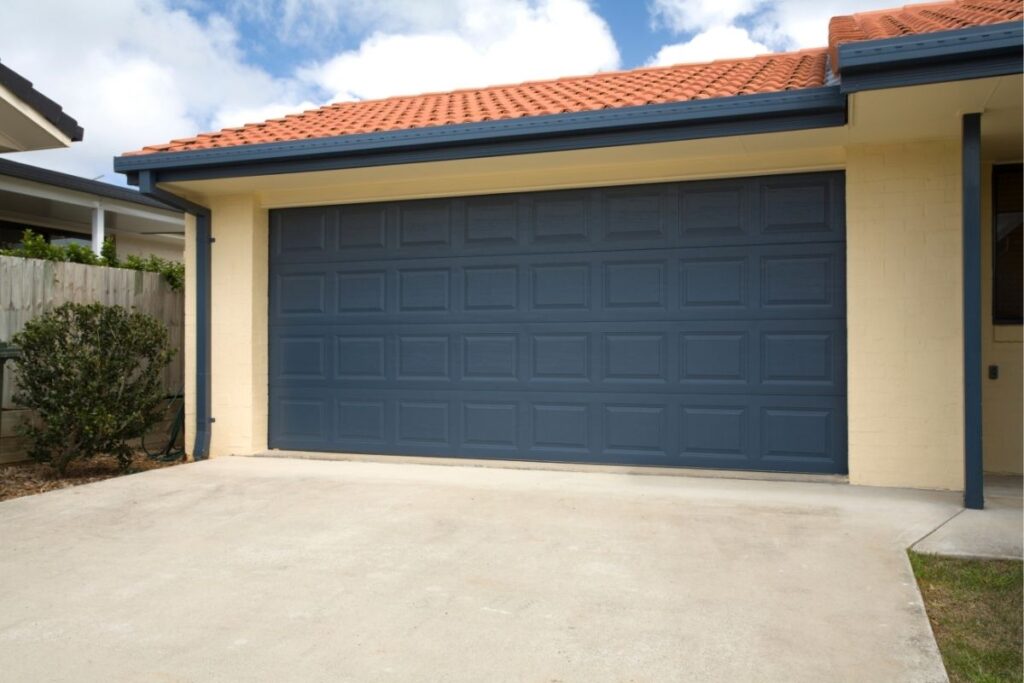
A one-car pole barn garage typically lands somewhere between 12×22 and 16×24, depending on whether you want any room left over for a workbench or storage along the walls.
At the smaller end of that range, you’re getting covered parking and not much else. Stepping up to 14×24 or 16×24 adds enough width to fit a vehicle comfortably while still leaving a few feet along one wall for shelving, a small workbench, or seasonal storage. This size suits a single vehicle owner who mainly wants weather protection without taking on a large structure or a big budget.
Two-Car Garage: 24×24 to 30×40
This is where most residential buyers land, and it’s also the range with the most meaningful size differences from one end to the other.
A 24×24 gives you 576 square feet, enough to park two standard sedans or compact SUVs side by side, but the clearance is genuinely tight. Expect roughly two feet between vehicles and not much room to fully open both doors at once without being careful. This size works if covered parking is the only goal and workspace isn’t a priority.
A 30×40 is the size most contractors point buyers toward once workspace enters the conversation. At 1,200 square feet, it comfortably fits two full-size trucks or SUVs with real clearance on all sides, plus enough depth left over for a workbench, shelving, or a riding mower along the back wall. Two standard 9-foot overhead doors across the front is the typical configuration at this size, and it’s widely considered the sweet spot for buyers who want both parking and a bit of usable shop space without stepping up to a significantly larger footprint.
Three-Car Garage: 32×24 to 40×30
Once a third vehicle enters the picture, width becomes the priority over depth.
Most three-car layouts call for a building at least 32 feet wide, since anything narrower starts risking dented doors and cramped maneuvering between bays. Common sizes in this range include 32×24, 36×26, and 40×30, with three overhead doors, typically 10 to 12 feet wide each, spaced across the front. Some buyers opt for two wider doors instead of three standard ones if they prefer a more open bay feel rather than fixed individual stalls.
A building in this size range often functions as both a garage and a light workshop, with enough depth to dedicate a rear section to tools and project space without crowding the parked vehicles.
Four-Car Garage and RV Storage: 40×60 and Up
This is where pole barn construction’s cost advantage over stick-built really shows up, since a four-car footprint that would be a major undertaking in traditional construction is a fairly standard post-frame build.
A true four-car layout typically needs at least 50 feet of width to fit four overhead doors side by side with enough bay clearance for each door to open fully. Paired with 60 to 80 feet of depth, this size comfortably handles four vehicles plus a dedicated workshop zone without anything feeling squeezed.
RV and large equipment storage adds its own requirement on top of square footage: door height. Any building meant to house an RV needs at least 14 feet of clearance, both at the door opening and throughout the interior, which is taller than a standard residential garage door and worth confirming with your builder before finalizing plans.
Workshop-Only Buildings: 20×12 to 30×26
If vehicle storage isn’t the primary goal and the building exists mainly to house tools, equipment, or a hobby space, the sizing logic shifts.
Smaller workshop buildings in the 20×12 to 24×24 range suit benchtop tools, a single workbench, and modest material storage, the kind of setup that fits hobbies like woodworking on a small scale or general tinkering. Stepping up to 30×26 or beyond opens room for larger stationary equipment, dedicated tool zones, and enough open floor space to actually move a project around rather than working in a single fixed spot.
Garage and Workshop Combo: 40×60 to 40×80
For buyers who want both serious vehicle storage and a real shop in one building, a combo layout is consistently the most popular configuration, and for good reason. One roof, one foundation, one permit, and one set of utility connections covers two distinct needs.
A 40×60 combo typically splits the width into two zones, parking on one side and a 16 to 20-foot-wide shop on the other, both sharing the same depth and separated by a partition wall with a connecting door. A 40×80 takes the opposite approach, putting the garage in the front 40 feet and a full workshop in the rear 40 feet, which gives the shop its own dedicated footprint rather than splitting the building’s width.
This size range works particularly well for buyers running a side business out of their shop, maintaining a serious tool collection, or simply wanting a single building that handles everything rather than two smaller separate structures scattered across the property.
A Few Sizing Factors That Apply Across Every Use Case
Door height and width deserve attention regardless of which size you land on. A standard single-car overhead door runs 8 to 9 feet wide, which sounds generous until you realize a full-size truck takes up most of a 20-foot-wide interior on its own. If you’re parking trucks or SUVs rather than sedans, add width to whatever the standard recommendation suggests.
Ceiling height matters just as much as floor footprint, particularly if RV storage, a vehicle lift, or any tall equipment is part of the plan. Residential garages commonly run 8 to 10 feet at the eave, while buildings meant for RVs, larger equipment, or future loft space typically need 12 to 16 feet or more.
Finally, plan for growth even if it costs a bit more upfront. Because post-frame construction is so much more affordable per square foot at larger sizes than traditional stick-built garages, the price difference between “just enough” and “comfortably more than enough” is often smaller than people expect, and it’s almost always cheaper to build it right the first time than to add on later.
Frequently Asked Questions
What’s the most common pole barn garage size overall?
A 30×40 is widely considered the most common size for residential buyers, since it comfortably fits two vehicles with meaningful workspace left over without stepping into a significantly larger budget.
How wide does a garage need to be for two full-size trucks?
Most buyers find 30 feet of width is where a two-car garage starts to feel genuinely comfortable, allowing both doors to open fully without risking damage to the vehicles or walls.
Do I need extra ceiling height for RV storage?
Yes. Any garage intended to house an RV needs at least 14 feet of clearance at both the door opening and throughout the interior, well above a standard residential garage height.
Is it cheaper to build a combo garage and workshop than two separate buildings?
In most cases, yes. A single combo building shares one foundation, one roof, and one set of utility connections, which typically costs less overall than constructing two smaller standalone buildings for the same combined square footage.
Conclusion
Sizing a pole barn garage comes down to matching the footprint to how the space will actually function, not just how many vehicles need to fit inside it on day one. Build for the workspace, storage, and equipment you’ll realistically want a few years from now, not just the bare minimum that works today, since post-frame construction makes that extra room far more affordable than most people expect going in.