
Most construction delays don’t start with a dramatic mistake. They start with one missed approval, one material order placed a week too late, or one task that everyone assumed someone else owned.
That’s the part planning checklists rarely capture well. People plan for the big decisions, the budget, the design, the contractor, and assume the gaps between those decisions will sort themselves out. They usually don’t. A project plan is really a plan for the connective tissue between major milestones, and getting that right matters just as much as getting the big calls right. Here’s how to plan a building project so the small things don’t quietly become the big problem.
Start With a Clear, Written Definition of the Project
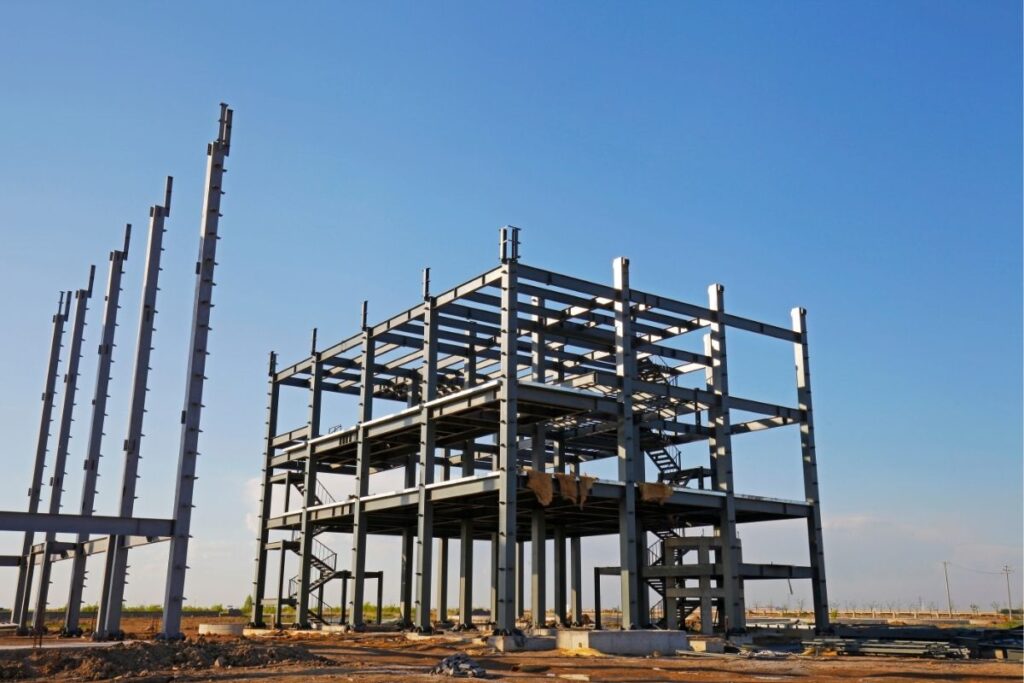
Before anything else gets decided, the project’s purpose, scope, and goals need to exist somewhere in writing, not just as a shared understanding in everyone’s head.
This means defining what the building is actually for, residential, commercial, an addition, a standalone structure, and being specific about it. It also means documenting the non-negotiables early: square footage targets, must-have features, and anything that would make the project a failure even if it came in on budget and on time. Vague goals at this stage are the single most common reason a project drifts in scope later, since without a written reference point, every new idea that comes up mid-project feels equally valid to add.
Build a Real Budget, Not a Hopeful One
Overspending is one of the most common problems in construction, and it almost never comes from one catastrophic decision. It comes from a budget that was optimistic from the start.
A real budget accounts for every category of cost, not just construction itself: land or site prep, permits, design fees, materials, labor, and a contingency that’s treated as a near-certainty rather than a worst-case buffer. Many experienced planners now recommend a contingency in the 15 to 20 percent range rather than the more traditional 10 percent, simply because something unplanned showing up during a build isn’t really a risk anymore, it’s closer to a guarantee. Budgeting for it as a known cost rather than an emergency fund changes how the rest of the project gets planned around it.
It’s also worth listing, explicitly, everything you’re assuming is included in a contractor’s quote: fixtures, landscaping, exterior lighting, appliances, anything that could plausibly be considered either standard or an upgrade. Confirming this in writing before signing anything prevents one of the most common and most expensive surprises in residential and small commercial building projects alike.
Get the Design and Permitting Sequence Right
Design and permitting often get treated as two separate phases that happen one after the other, but in practice they need to stay in conversation with each other the entire time.
Finalize the architectural and structural design with your local code requirements already factored in, not as something to check after the drawings are done. This includes confirming which code edition and any local amendments your jurisdiction currently enforces, since designing around outdated assumptions is one of the most common causes of a rejected permit submittal. Structural, mechanical, electrical, and energy compliance documentation all need to align with each other and with the architectural plans, since reviewers increasingly flag even small inconsistencies between these documents, and each flagged inconsistency resets the review clock.
Submit permit applications with real lead time built in. Reviews routinely take longer than the optimistic estimate, and a missing approval is one of the few things that can halt a project entirely regardless of how prepared everything else is.
Clarify Who Owns What Before Work Starts
Once the project’s scope and design are locked, the next gap to close is responsibility. Construction projects frequently run into trouble not because nobody knew what needed to happen, but because everyone assumed somebody else was handling it.
This means identifying every key role on the project, general contractor, architect, structural engineer, specific trade subcontractors, and documenting clearly what each one is responsible for during both planning and active construction. It also means holding an actual pre-construction meeting where this gets discussed out loud rather than assumed from each party’s contract language. Verbal decisions made in passing during a busy build tend to disappear, so following up any meaningful conversation with a brief written confirmation, even just a text or email, protects everyone involved and prevents disagreements later about what was actually agreed to.
Plan Procurement Around Lead Times, Not Just Budget
Material costs get plenty of attention during budgeting. Material lead times get far less, and that gap has become a more serious risk in recent years.
A significant majority of contractors now report supply chain challenges as having a real impact on their projects, and certain systems and custom materials carry lead times that can quietly push a schedule by months if they aren’t ordered early. Identify anything in the project with a long lead time, custom windows, specific structural components, specialty fixtures, and place those orders well ahead of when they’re actually needed on site, not when the schedule technically calls for them to arrive. It’s also worth identifying backup suppliers or alternative materials in advance for anything genuinely critical to the schedule, so a single supply chain hiccup doesn’t stall the entire project.
Organize the Site Before Work Begins
Site logistics is one of the most overlooked planning categories, mostly because it doesn’t feel like a “decision” the way design or budget does. It’s still a planning step, and getting it wrong creates daily friction for the entire build.
This covers material storage areas, equipment access routes, where temporary utilities like power and water will come from, and how vehicles will move on and off the site without creating constant bottlenecks. Site signage, marked emergency access routes, and clearly defined work zones all belong in this planning stage too, not as something figured out reactively once the crew shows up. Poor site layout has a measurable effect on productivity, since a site that requires constant workarounds for material movement slows down everything built on top of it.
Build Communication Into the Plan, Not Just the Work
Miscommunication is one of the most consistently cited causes of construction delays, and it’s rarely about a lack of information. It’s about information that existed but didn’t reach the right person at the right time.
Set communication protocols before construction starts: who reports what, how often, and through what channel. Keep a centralized record, whether that’s a shared digital tool or a physical project binder, of every contract, permit, change order, and major decision, so nothing relies on memory or a scattered email thread. This single habit, more than almost any other planning step, is what separates projects that handle unexpected problems calmly from ones where a small issue spirals because nobody had a clear record of what had already been decided.
Don’t Skip Closeout Planning
It’s easy to treat the end of a project as something that will sort itself out once construction wraps. In practice, closeout has its own checklist, and skipping it creates real problems after the building is technically finished.
This includes a documented punch list reviewed during a final walkthrough, scheduling final inspections to confirm code and safety compliance, and collecting as-built drawings, warranties, and maintenance documentation before the project officially closes. Confirming final payments to every subcontractor and supplier belongs here too, along with archiving project files in case a question comes up months or years later. A project that finishes the physical work but skips this documentation step often ends up costing the owner real time and money down the road, chasing down information that should have been collected at handover.
Frequently Asked Questions
What’s the most common cause of construction project delays?
Permitting issues and gaps in communication are among the most frequently cited causes. Both are largely preventable with realistic scheduling buffers, clear ownership of tasks, and consistent documentation throughout the project.
How much contingency should a construction budget include?
Many experienced planners now recommend 15 to 20 percent rather than the more traditional 10 percent, treating unexpected costs as a near-certainty on any project rather than an unlikely worst-case scenario.
When should permits be submitted relative to the construction start date?
As early as possible, often four to eight weeks before the planned start date at minimum. Permit reviews routinely take longer than expected, and a missing approval can halt a project regardless of how prepared everything else is.
Why does site logistics planning matter if construction hasn’t started yet?
Poor site layout, including material storage, access routes, and utility setup, has a measurable effect on productivity once work begins. Planning this in advance prevents daily bottlenecks that compound over the life of the project.
Conclusion
A building project rarely fails at the big, obvious decisions. It fails in the smaller gaps between them, the missed approval, the assumption nobody confirmed, the material order placed a few weeks too late. Plan for those gaps as deliberately as you plan the budget and the design, and the project moves the way it’s supposed to: steadily, predictably, and without the small surprises that tend to compound into expensive ones.